
November 17, 2026
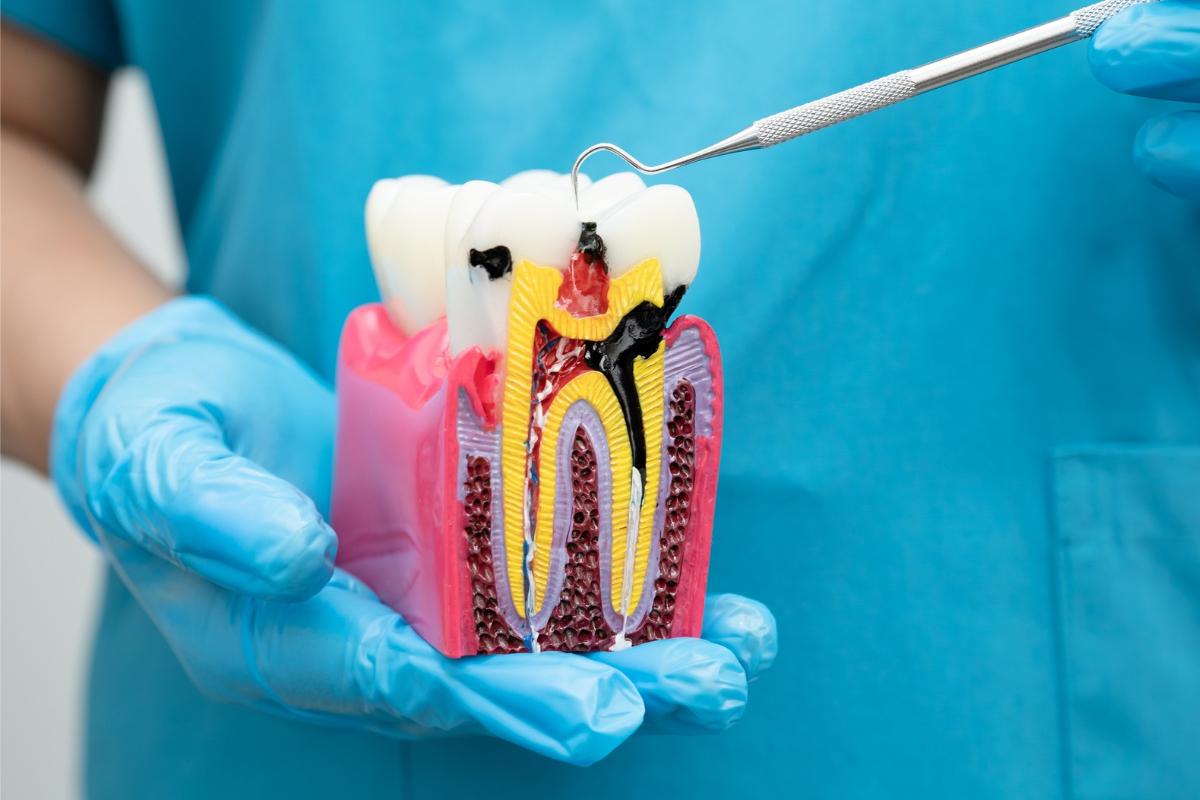
Many Arlington patients dread root canals more than any other dental procedure. But what you’ll actually feel during your root canal treatment is far less dramatic than you might expect. Modern dentistry has transformed this procedure into something manageable and even routine. Dr. Alexandria Ellzey at 901 Dental wants you to walk in informed — not anxious.
Fear of the unknown drives most dental anxiety. When you understand exactly what happens at each step, that fear loses its grip. This guide walks you through the entire process so you know what to expect before you sit in the chair.
Why Root Canals Have an Undeserved Reputation
The reputation root canals carry comes from a time when dental anesthesia was far less effective. That era is long gone. Today’s techniques and numbing agents make the procedure comfortable for the vast majority of patients.
Most people who delay treatment end up in more pain from the infected tooth than from the procedure itself. The root canal actually relieves that pain — it doesn’t create it. Understanding this shift in perspective is the first step toward feeling at ease.
Dr. Ellzey takes extra time with anxious patients. She explains each step before performing it. That communication alone reduces discomfort significantly for most people.
What You’ll Actually Feel During Root Canal Treatment in Arlington: Step by Step
Knowing the sequence of events removes the element of surprise. Here is exactly what happens during a standard root canal procedure at our practice.
- Numbing the area: Dr. Ellzey applies a topical gel to your gum first. Then she delivers the local anesthetic injection. You feel a brief pinch and mild pressure — that is typically the most uncomfortable moment of the entire visit.
- Waiting for full numbness: Within a few minutes, the area goes completely numb. You will feel pressure and movement but no sharp pain. Many patients are surprised by how little they feel at this stage.
- Placing the dental dam: A small rubber sheet isolates the tooth. This keeps the area clean and dry. It may feel slightly awkward but causes no pain.
- Accessing the pulp chamber: Our Arlington dentist uses small instruments to remove infected pulp tissue. You feel vibration and pressure. You should not feel pain — if you do, let her know immediately so she can add more anesthetic.
- Shaping and cleaning the canals: This takes the most time. You feel steady pressure and hear mild instrument sounds. Most patients find this stage completely tolerable.
- Filling and sealing the tooth: The cleaned canals are filled with a biocompatible material. The tooth is then sealed. This stage is quick and comfortable.
Each of these stages is designed with your comfort in mind. Dr. Ellzey checks in with you throughout the process to make sure you feel okay.
How Your Tooth Feels After the Procedure
Once the anesthetic wears off, you may notice some tenderness around the treated tooth. This is completely normal and expected. The surrounding tissue experienced some minor irritation during the procedure.
Most patients describe post-procedure discomfort as mild to moderate soreness. Over-the-counter pain relievers usually manage it well. The sensation typically fades within two to four days.
Here is what most Arlington patients experience in the days following their root canal:
- Mild soreness when biting down on the treated tooth
- Slight sensitivity in the surrounding gum tissue
- Minor jaw stiffness from keeping your mouth open
- Gradual improvement each day after the procedure
Severe or worsening pain after a root canal is not normal. Contact 901 Dental right away if that happens. Our dentist wants to hear from you if something feels off.
Emotional Feelings Are Normal Too
Dental anxiety is real and valid. Many Arlington patients feel nervous leading up to the appointment. Some feel their heart racing in the waiting room. Dr. Ellzey and the 901 Dental team recognize this and respond with patience.
It helps to tell your dentist about your anxiety before the procedure begins. When the team knows you are nervous, they adjust their approach. They slow down, explain more, and check in more frequently.
Some patients feel genuine relief once the procedure is over. They often say it was nothing like what they had imagined. That reaction is extremely common — and it is exactly why education matters so much before treatment.
What Happens to Your Tooth After a Root Canal
A root canal saves a tooth that would otherwise need extraction. After the procedure, the tooth is structurally sound but no longer has a nerve. It still functions like a natural tooth in every other way.
Dr. Ellzey will typically recommend a dental crown to protect the treated tooth. This restores its full strength and appearance. The crown placement is a separate, straightforward appointment.
Maintaining that restored tooth is simple. You brush, floss, and attend regular checkups just as you would with any natural tooth. Many patients keep their root canal-treated teeth for decades.
Benefits of Choosing Root Canal Treatment Over Extraction
- Preserves your natural tooth structure
- Eliminates infection and stops it from spreading
- Restores normal biting and chewing function
- Avoids the complexity and cost of tooth replacement
- Maintains the natural alignment of surrounding teeth
Tooth loss creates a chain reaction in your mouth. Neighboring teeth shift. Bone density in the jaw decreases over time. A root canal prevents all of that by keeping your natural tooth in place.
Schedule Your Root Canal at 901 Dental in Arlington
Dr. Alexandria Ellzey and the 901 Dental team are committed to making your experience as comfortable as possible. Patients across Arlington, TN trust our practice for gentle, thorough care. You deserve to feel informed and at ease before any dental procedure. Contact now to schedule your appointment with our team.
Frequently Asked Questions
Does a root canal hurt during the procedure?
Most patients feel little to no pain during the procedure itself. Local anesthesia numbs the area thoroughly before Dr. Ellzey begins. You may feel pressure or vibration, but sharp pain should not occur. If you feel discomfort at any point, let the team know immediately so they can adjust your numbing.
How long does a root canal appointment take at 901 Dental?
Most root canal appointments at our Arlington practice take between 60 and 90 minutes. More complex cases involving multiple canals may take slightly longer. The dentist will give you a time estimate during your consultation so you can plan accordingly.
How sore will I be after my root canal?
Mild soreness and sensitivity in the treated area are normal for two to four days after the procedure. Over-the-counter pain relievers typically manage this discomfort well. Most patients return to their normal routine the following day without significant issues.
Will I need a crown after my root canal?
In most cases, yes. Dr. Ellzey recommends a dental crown to protect and strengthen the treated tooth. The crown prevents cracking and restores the tooth’s full function. She will discuss this recommendation with you before you leave your root canal appointment.
What happens if I delay getting a root canal?
Delaying treatment allows the infection to spread to surrounding teeth, gum tissue, and even the jawbone. The pain from an untreated infected tooth is typically far worse than the procedure itself. Early treatment is always the best path to a comfortable recovery and long-term oral health.
