
April 7, 2026
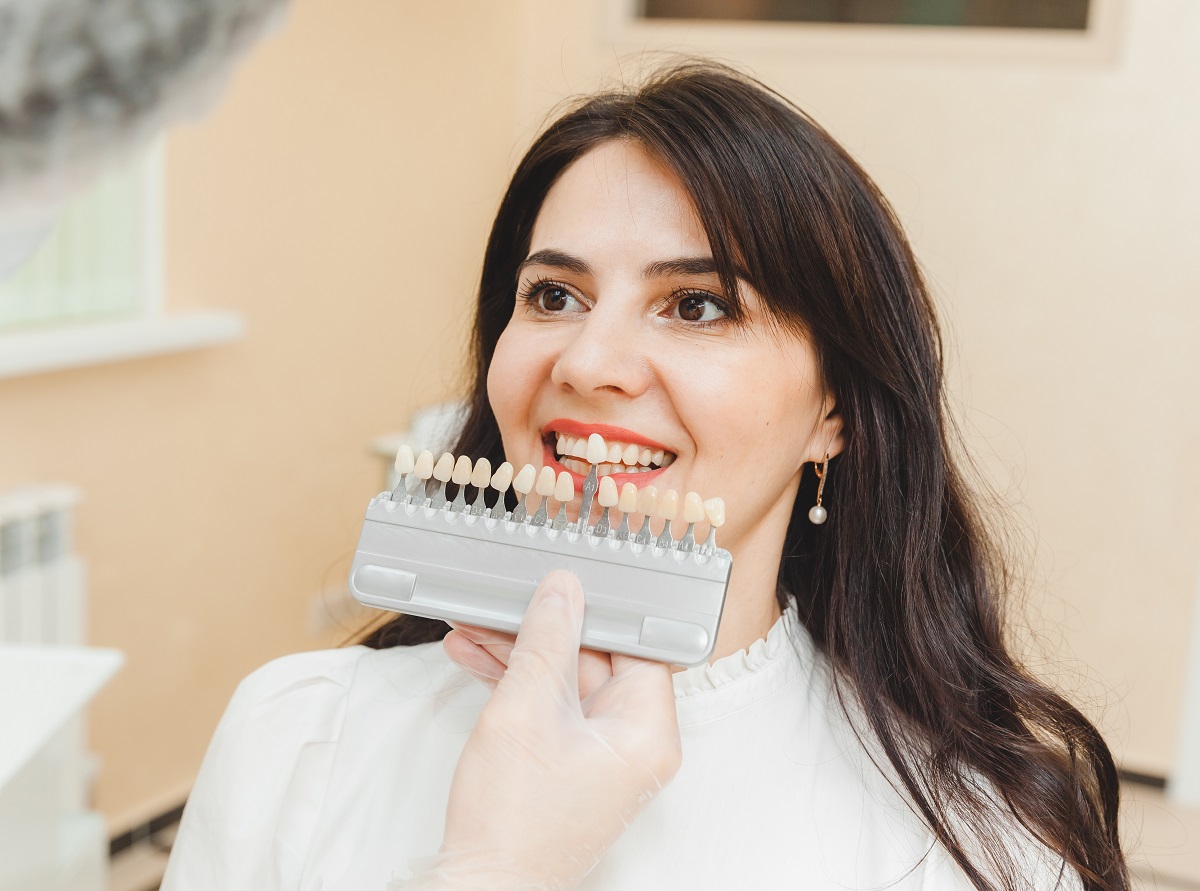
On a typical afternoon in Arlington, whether you are grabbing coffee near Arlington Town Square or heading out for dinner in nearby Bartlett, we see a familiar pattern. Patients walk in frustrated after trying multiple teeth whitening products that did not deliver the results they expected. Some are dealing with sensitivity, others feel they have wasted money, and many simply are not sure what went wrong.
At 901 Dental, Dr. Alexandria Ellzey works closely with patients to evaluate not just how white they want their teeth, but what is actually realistic and safe based on their enamel, staining type, and dental history. The goal is not just a brighter smile. It is choosing the right method the first time.
Ready for a brighter, more confident smile? Contact 901 Dental today to schedule your personalized teeth whitening consultation and find the option that works best for you.
Where Most Patients Go Wrong (And Why It Happens)
One of the biggest misconceptions we hear is that all whitening products work the same, just at different speeds. That is not accurate.
Teeth whitening works through oxidation, where active agents like hydrogen peroxide break down stain molecules embedded in the enamel. But not all stains and not all teeth respond equally.
Here is where patients often make costly mistakes:
1. Starting With the Wrong Product for Their Stains
Surface stains from coffee or tea may respond to mild products, but deeper intrinsic stains from aging, medications, or trauma require stronger, professionally guided treatment.
We often see patients who have used whitening strips for months with minimal change because the product simply was not strong enough to penetrate the stain depth.
2. Expecting Whitening Toothpaste to Change Tooth Color
Whitening toothpaste can help remove surface buildup, but it does not alter the internal shade of your teeth.
This leads to a common frustration. Patients feel like whitening is not working when in reality they have been using a maintenance product, not a treatment.
3. Ignoring Gum Fit and Application Issues
Over-the-counter strips are designed as a one-size-fits-all solution, which often leads to uneven whitening, gel leakage onto gums, and increased sensitivity.
Custom trays are designed to control gel placement, which is why they tend to produce more consistent results with fewer side effects.
The Cost Mistake: Cheap First, Expensive Later
Many Arlington patients start with lower-cost options, thinking they will try the cheaper route first. But here is what typically happens:
- Multiple OTC purchases over months
- Inconsistent or minimal results
- Increased tooth sensitivity
- Eventually, switching to professional treatment anyway
From a clinical and financial standpoint, this approach often ends up costing more time and money, along with added frustration.
Why Sensitivity Happens (And When It Is Avoidable)
Sensitivity is one of the main reasons patients hesitate to whiten their teeth or stop midway through treatment.
Here is what is actually happening:
- Whitening temporarily opens microscopic pores in enamel
- This allows the bleaching agent to reach stain molecules
- It can also stimulate the nerve, causing short-term sensitivity
However, not all methods manage this equally.
Patients using poorly fitted strips or overusing products are far more likely to experience discomfort. In contrast, professionally guided systems are designed to balance effectiveness with enamel protection.
This is one reason many patients seeking a consultation with a cosmetic dentist in Arlington ask about sensitivity control before committing to treatment.
When Whitening Does Not Work (And Patients Are Not Told Why)
Another common issue is when patients say they tried whitening, but nothing changed.
This typically happens in cases involving:
- Dental restorations such as crowns, fillings, or veneers
- Internal discoloration from trauma
- Certain medications, like tetracycline
Whitening only affects natural enamel, not artificial materials. So if your front teeth include restorations, results may appear uneven.
This is where proper evaluation matters, something often skipped when patients choose products without guidance.
What Patients Wish They Knew Before Starting
From real conversations at 901 Dental, here are insights patients often share after going through trial and error:
- I did not realize that whitening is not one size fits all
- I thought stronger meant more painful
- I did not know trays could be customized
- I wish I had started with a consultation instead of guessing
These patterns highlight a key issue. Most whitening decisions are made without enough information.
Choosing the Right Option Based on Your Situation
Instead of asking which whitening is best, a better question is:
Which whitening method fits my teeth, timeline, and sensitivity level?
Here is how we typically guide patients:
If you want fast, noticeable results
In-office whitening can deliver visible improvement in a single visit
If you prefer gradual control
Custom trays allow you to whiten at your own pace with professional-strength gel
If you are experimenting cautiously
OTC options may provide a subtle improvement, but with limitations
Patients exploring teeth whitening options in Arlington often find that a short consultation helps eliminate months of uncertainty.
Common Patient Mistakes That Delay Results
Here are the most frequent missteps we see:
- Using products inconsistently
- Switching methods too quickly
- Overusing whitening agents, hoping for faster results
- Skipping dental cleanings before whitening
- Ignoring underlying dental issues such as plaque buildup or decay
Each of these can reduce effectiveness or create new problems.
Ready to Choose the Right Whitening Option?
If you have tried whitening before and did not get the results you expected, or you want to avoid trial and error, getting the right guidance upfront can make a significant difference.
At 901 Dental in Arlington, patients receive personalized recommendations based on real clinical evaluation, not guesswork. Whether you are looking for immediate results or a gradual approach, the focus is on helping you choose a method that actually works for your smile.
Choosing the wrong whitening method is more common than most patients realize. It is usually not due to lack of effort, but lack of clarity. When we evaluate your teeth, habits, and goals together, we can help you avoid unnecessary frustration and move toward results that are both safe and predictable.
FAQs: What Arlington Patients Ask Before Choosing Whitening
Why do some teeth whitening methods not work for certain people?
Because stains vary in depth and cause. Surface-level products will not affect deeper discoloration.
Are over-the-counter whitening products a waste of money?
Not always, but they are often limited in strength and consistency, especially for moderate to severe staining.
Can choosing the wrong whitening option damage your teeth?
Overuse or improper application can increase sensitivity or irritate gums, but supervised treatments are generally safe.
How do I know if I need professional teeth whitening instead?
If OTC products have not worked after a few weeks, or if you want faster and more noticeable results, professional options are typically more effective.
Should I get a cleaning before whitening my teeth?
Yes. Removing plaque and tartar allows whitening agents to work more evenly.
Can I whiten teeth with crowns or fillings?
No. Restorations do not respond to whitening, which may require alternative cosmetic solutions.
How long should I wait between whitening treatments?
It depends on the method used, but spacing treatments properly helps protect enamel and reduce sensitivity.
Is sensitivity permanent after whitening?
No. When it occurs, it is usually temporary and resolves within a few days.
