
June 18, 2026
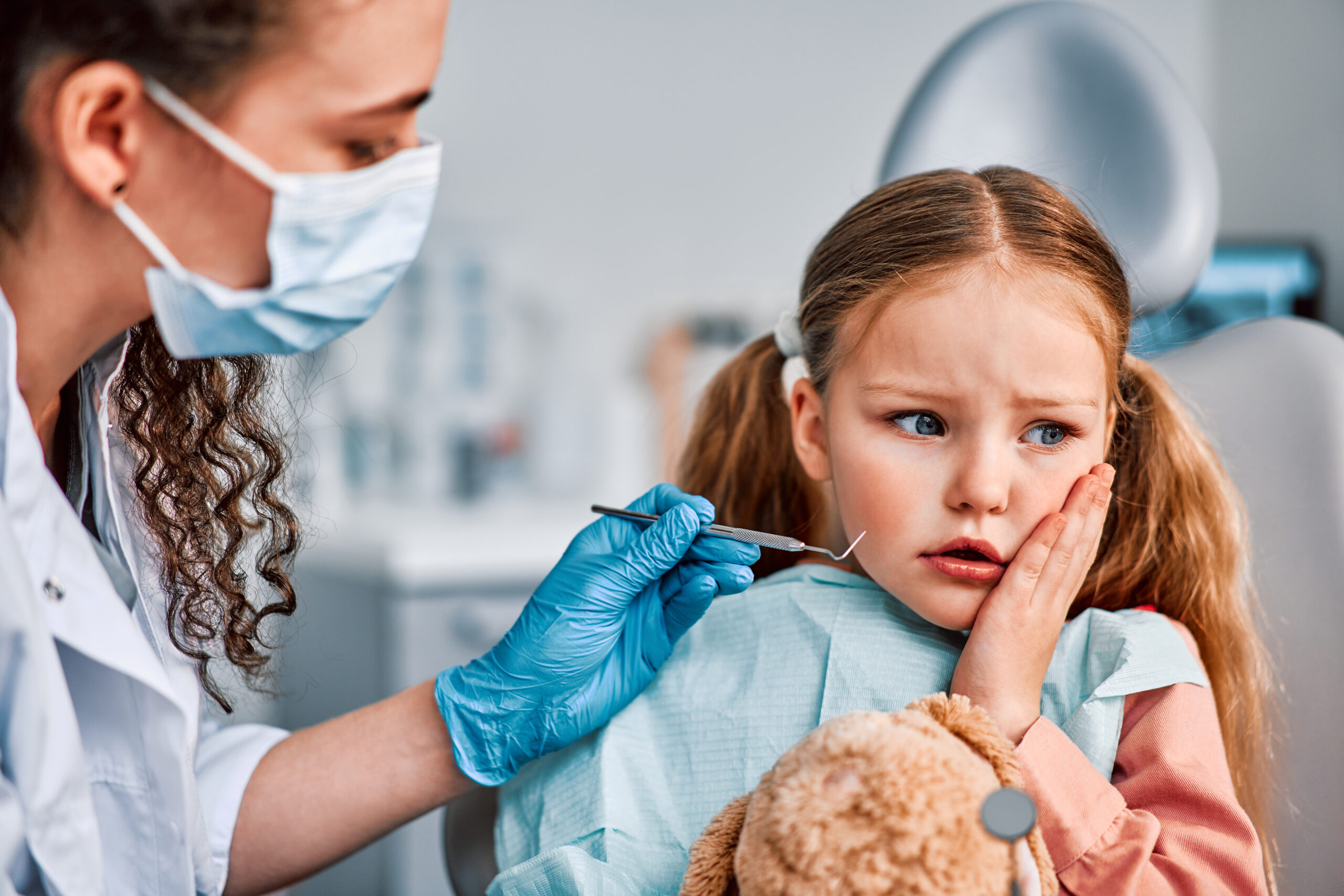
Caring for your child’s teeth is about preventing cavities and setting the foundation for a lifetime of healthy habits and confident smiles. If you are a parent wondering how to protect your tiny tot’s oral health, you are in the right place. From knowing when to visit a children’s dentist to daily habits that actually work, this guide will help you understand what matters and what does not when it comes to pediatric oral care.
Why Early Dental Care Matters For Your Little One?
Your child’s oral health plays a direct role in their overall development and confidence. Early visits to a local child dentist and regular check-ins at home, combined with good brushing habits, can all work together to prevent common childhood oral problems. Continue reading to discover how to set your child up for long-term success.
First Visits And Early Habits
The American Dental Association (ADA) recommends that children visit a local dental care provider by their first birthday or when their first tooth erupts. These early appointments do more than just clean teeth. They help monitor tooth development, address concerns like thumb sucking or baby bottle decay, and establish trust in a professional setting.
At home, you should focus on brushing those little teeth twice daily with fluoride toothpaste and using the correct technique. Teaching proper brushing techniques to kids helps prevent plaque buildup and encourages independence as they grow.
Building A Routine Your Child Will Follow
Creating a consistent oral hygiene routine is one of the best ways to promote lifelong dental habits. Children are more likely to brush and floss consistently when it becomes part of their everyday rhythm, and even more so when they are having fun.
Making Oral Care Engaging
Turn brushing time into a fun part of their day with songs, brushing apps, or visual timers. If you’re wondering how to make flossing fun for toddlers, try using colorful floss picks or letting them choose their toothbrush. Simple strategies like sticker charts or praise can help reinforce good behavior and create positive associations with teeth care.
It is vital to supervise brushing until your toddler has the dexterity to do it well on their own, usually around age 7 or 8.
Preventing Common Teeth Issues In Children
Toddlers are specifically vulnerable to cavities and gum issues due to their love for sweets and developing brushing habits. Fortunately, there is a lot you can do to prevent problems before they start.
What To Watch Out For
The most common issues include tooth decay, inflamed gums, and sensitivity. Cavities in baby teeth can lead to infections, speech delays, or even problems with permanent teeth later on. That is why parents must know how to prevent tooth decay in their little ones.
Practical Prevention Tips
Make sure your kid brushes for two minutes twice a day and flosses daily. Use fluoride toothpaste and encourage rinsing with water after meals. Avoid sending your child to bed with milk or juice, and try to reduce the number of sugary snacks throughout the day. Regular tooth wellness checkups will help catch any issues early and reinforce good habits.
How Nutrition Impacts Your Child’s Oral Health
The food your little one eats every day directly affects their teeth. A diet that supports oral health can help prevent cavities and encourage proper jaw and tooth development.
Best Choices For Strong Teeth
Focus on calcium-rich foods like cheese, yogurt, and leafy greens. Crunchy vegetables and fruits like apples and carrots help clean teeth naturally and stimulate saliva production. Swapping sugary drinks for fluoridated water is one of the easiest ways to improve your toddler’s tooth health.
When building lunchboxes or planning snacks, aim for tooth-friendly snacks that include whole fruits, low-fat dairy, and nuts (if age-appropriate).
Foods That Work Against A Healthy Smile
Sticky candies, chewy fruit snacks, soda, and chips are some of the worst offenders for toddlers’ teeth. These foods tend to cling to the surface and feed cavity-causing bacteria. Even starchy snacks like crackers can break down into sugars and stick to enamel. If you are wondering what not to feed kids for healthy teeth, start by cutting back on sugary and processed items between meals.
Let’s Keep Your Tiny Tot’s Smile Healthy And Bright
Your junior’s oral health does not have to be complicated. With consistent care at home, smart food choices, and support from trusted professionals, you can build the foundation for a lifetime of healthy smiles. When it is time for expert advice, our experienced team is here to help.
Book a visit with a children’s dentist and get personalized guidance for their oral needs. Schedule an appointment today with our team at 901 Dental in Arlington and experience the comfort and confidence of our dental office.
Frequently Asked Questions (FAQs)
- How to prevent poor dental health in children?
Start early with brushing and flossing habits, encourage healthy eating, and make dental visits a part of your family routine. Preventive care and early education go a long way in protecting your junior’s oral health.
- How often should a parent check their children’s teeth?
You should inspect your tiny tot’s teeth at home daily, especially before bed. Look for any discoloration, swelling, or food debris. In addition, they should also have a professional exam every six months to ensure healthy development and catch issues early.
- What foods are bad for children’s teeth?
Candies, soda, dried fruit, sweetened juices, and processed starches like chips and crackers can all contribute to decay. These foods are sticky, sugary, or acidic, making them especially harmful to young teeth.
