
May 7, 2026
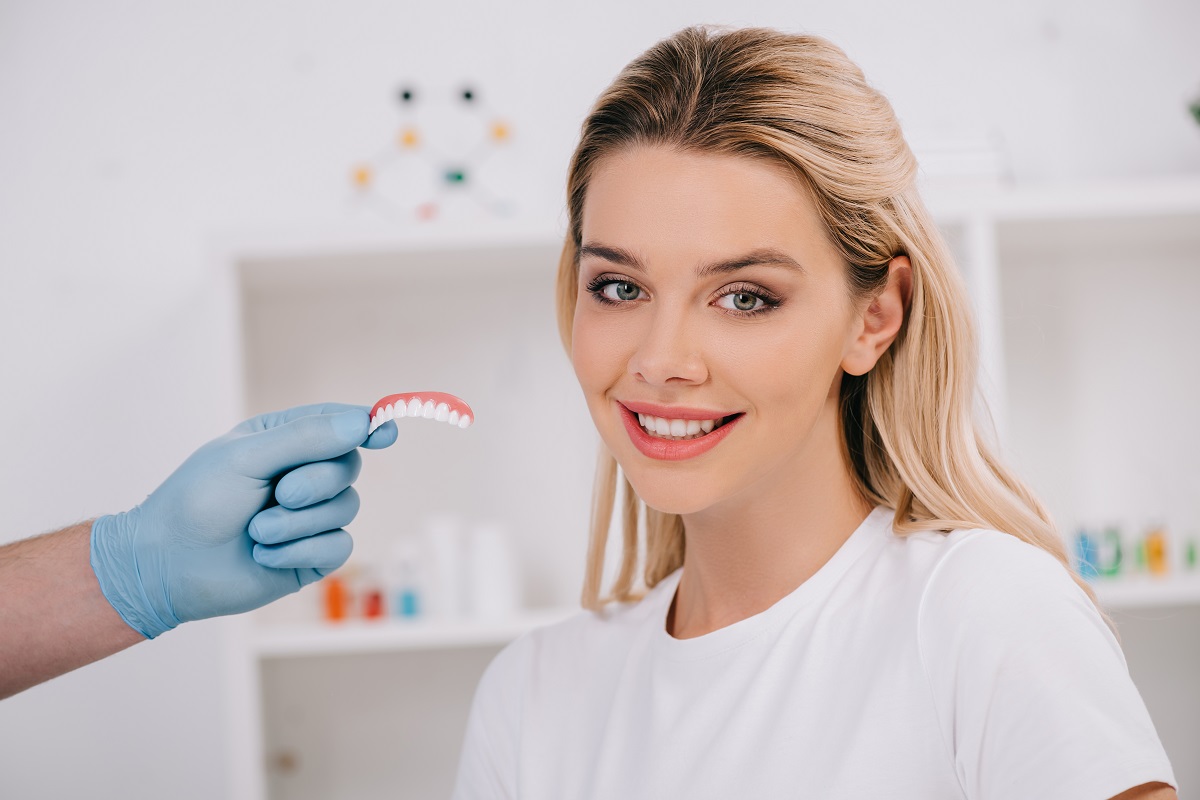
Patients visiting 901 Dental from Bartlett, Lakeland, Arlington, and East Memphis often ask a surprisingly specific question during cosmetic consultations: “Will people be able to tell I have veneers?” In many cases, they are not worried about the procedure itself. They are worried about ending up with a smile that looks too white, too flat, or obviously artificial. Social media trends and heavily edited celebrity photos have also changed expectations, sometimes making patients think veneers are supposed to look unnaturally perfect.

Dr. Alexandria Ellzey takes a conservative, patient-specific approach to cosmetic dentistry, focusing on facial balance, tooth proportion, translucency, and long-term function so cosmetic work blends naturally with surrounding teeth and facial features instead of creating identical “one-size-fits-all” smiles.
The short answer is this: composite veneers can look natural, but the final appearance depends heavily on case selection, material quality, dentist technique, and patient expectations. Porcelain veneers generally produce the most lifelike results over time, but that does not automatically make them the right option for every patient. If you are considering veneers near Arlington and want a smile designed around natural aesthetics rather than exaggerated cosmetic trends, contact 901 Dental to schedule a personalized cosmetic consultation.
Why Some Veneers Look Fake in the First Place
Most fake-looking veneers are not caused by the material alone. Dentists often see problems develop when patients prioritize extremely bright shades, oversized tooth shapes, or fast cosmetic fixes without considering how veneers interact with facial structure and natural enamel.
A common misconception is that “perfect” means ultra-white and perfectly symmetrical. In reality, natural teeth contain slight texture variations, subtle translucency near the edges, and small differences in contour. When veneers are too opaque or uniformly bright, they lose that realistic depth.
Composite veneers are more prone to this issue because the material handles light differently than porcelain. Composite resin can still look attractive, especially for smaller cosmetic improvements, but achieving a highly natural finish requires careful layering and artistic shaping.
Patients searching for a dentist near Arlington often bring screenshots of influencer smiles that look good on camera but may appear unnatural in everyday conversation or sunlight. What photographs well online does not always translate naturally in person.
Where Porcelain Veneers Usually Have an Advantage
Porcelain veneers tend to reflect and transmit light more like natural enamel. This matters more than many patients realize.
Natural teeth are not solid white blocks. Light passes through enamel slightly before reflecting back outward. High-quality porcelain mimics this effect better than composite resin, which is why porcelain often appears more realistic at close range.
Dentists also notice that porcelain maintains its surface texture and polish longer. Composite veneers can gradually lose luster or develop surface staining from coffee, tea, red wine, or smoking. Once the surface becomes dull, veneers may start looking less natural, even if the shape itself remains acceptable.
That said, porcelain is not automatically “better” for everyone. Some patients only need minor reshaping or small cosmetic corrections. In those situations, composite veneers may preserve more natural tooth structure while still delivering noticeable improvements.
When Composite Veneers Actually Look Very Natural
Composite veneers often work well for:
- Small chips
- Minor spacing issues
- Slightly uneven teeth
- One or two teeth needing cosmetic correction
- Younger patients avoiding aggressive enamel removal
In these cases, the results can blend extremely well when performed conservatively.
One pattern dentists frequently observe is that patients with naturally smaller teeth sometimes achieve excellent cosmetic outcomes with composite because less material is needed. Thin, carefully sculpted composite veneers usually appear far more natural than overly bulky restorations.
Patients also underestimate how much tooth preparation affects appearance. Overbuilding composite material can create a thick “blocky” look near the gums. Conservative shaping matters more than many online veneer advertisements suggest.
An experienced cosmetic-focused Arlington dentist will usually evaluate lip movement, smile width, bite pressure, and facial proportions before recommending either material.
The Problem With “Turkey Teeth” and Overdone Veneers
Many people searching for veneer comparisons are actually trying to avoid one specific outcome: oversized, unnaturally white veneers sometimes referred to online as “Turkey teeth.”
These cases often involve:
- Excessive tooth reduction
- Uniform square-shaped veneers
- Shades far brighter than surrounding features
- Lack of individualized smile design
Patients are often surprised to learn that natural-looking cosmetic dentistry usually involves restraint, not dramatic alteration.
At consultations, dentists commonly see patients who initially requested the brightest possible shade but later realize softer, more natural tones look healthier and more age-appropriate. Teeth that are too white can sometimes artificially draw attention, especially against natural skin tone and facial features.
Which Option Ages Better Over Time?
This is one of the most important decision-making factors.
Porcelain veneers typically resist staining, wear, and texture changes better than composite veneers. Over several years, the composite may absorb discoloration or require polishing, repairs, or touch-ups.
However, longevity is not only about the material. Patient habits matter significantly.
Dentists frequently notice faster wear in patients who:
- Grind their teeth
- Bite fingernails
- Chew ice
- Use teeth to open packaging
- Consume staining beverages daily
Some patients believe veneers are “permanent perfection” with no maintenance. In reality, both porcelain and composite require ongoing care and realistic expectations.
One overlooked issue is mismatch aging. Natural teeth darken slightly over time, while porcelain maintains color stability. If whitening habits change or nearby teeth shift shade, veneers may eventually stand out differently than intended.
Cost Concerns Often Influence Cosmetic Decisions
Composite veneers usually cost less upfront, which is why many patients initially lean toward them. For someone wanting minor cosmetic improvement without extensive treatment, that can be a reasonable decision.
But lower upfront cost does not always mean lower long-term expense.
Patients sometimes need:
- Composite touch-ups
- Surface repolishing
- Edge repairs
- Earlier replacement
Porcelain generally involves a higher initial investment but often offers greater long-term stability in appearance.
The right choice depends less on “cheap versus expensive” and more on:
- Cosmetic goals
- Bite condition
- Tooth structure
- Smile visibility
- Long-term expectations
- Maintenance willingness
What Patients Often Regret After Veneers
Dentists repeatedly hear similar regrets from patients unhappy with cosmetic work completed elsewhere:
- Choosing shade before discussing facial harmony
- Focusing only on price
- Treating too many teeth unnecessarily
- Ignoring bite alignment problems first
- Wanting “celebrity veneers” instead of natural proportions
Another important pattern is rushed decision-making. Patients preparing for weddings, graduations, or professional events sometimes prioritize speed over planning. Cosmetic dentistry usually produces better results when smile design decisions are made carefully rather than emotionally.
Not Sure Which Veneers Fit Your Goals?
At 901 Dental, cosmetic consultations focus on realistic outcomes, not exaggerated smile trends. Dr. Alexandria Ellzey evaluates facial aesthetics, bite function, enamel preservation, and long-term maintenance before recommending porcelain or composite veneers. Patients visiting our dental practice near Arlington, as well as nearby Bartlett, Lakeland, and Memphis communities, often appreciate understanding not just what looks good initially, but what will continue looking natural years later.
Choosing between composite and porcelain veneers is rarely just about cost or convenience. The most natural-looking result usually comes from careful planning, conservative design, and realistic expectations rather than simply selecting the most expensive material. We believe cosmetic dentistry should enhance a smile without making it look artificial, and our approach focuses on creating results that still feel like your own teeth when you speak, smile, and interact every day.
FAQs About Composite vs Porcelain Veneers
Do composite veneers always look less natural than porcelain?
Not always. Small, conservatively placed composite veneers can look extremely natural. The difference becomes more noticeable in larger smile makeovers or under close inspection over time.
Why do some veneers appear bulky near the gums?
This usually happens when too much material is added without proper contouring. Poor shaping can create unnatural thickness and affect how light reflects off the teeth.
Can composite veneers chip more easily than porcelain?
Yes. Composite resin is generally less durable than porcelain and may chip or wear faster under heavy bite pressure, teeth grinding, or certain eating habits. Small repairs are often possible, but repeated damage can affect the overall appearance over time.
Can composite veneers stain from coffee?
Yes. Composite resin is more porous than porcelain and can gradually absorb stains from coffee, tea, wine, and tobacco.
Which veneer type is better for a chipped tooth?
Composite veneers are often effective for isolated cosmetic corrections because they can be sculpted directly and conservatively.
Do veneers look different in sunlight compared to indoor lighting?
Yes. Natural sunlight reveals translucency and texture more clearly. High-quality porcelain typically handles light more naturally outdoors.
Can veneers be made less white later?
In some cases, veneers can be replaced or modified, but changing shade afterward is not always simple. Proper smile planning beforehand is important.
Are fake-looking veneers caused by poor materials or poor technique?
Usually both. Even expensive materials can look unnatural if tooth shape, facial proportions, and translucency are not properly considered.
