
June 17, 2025
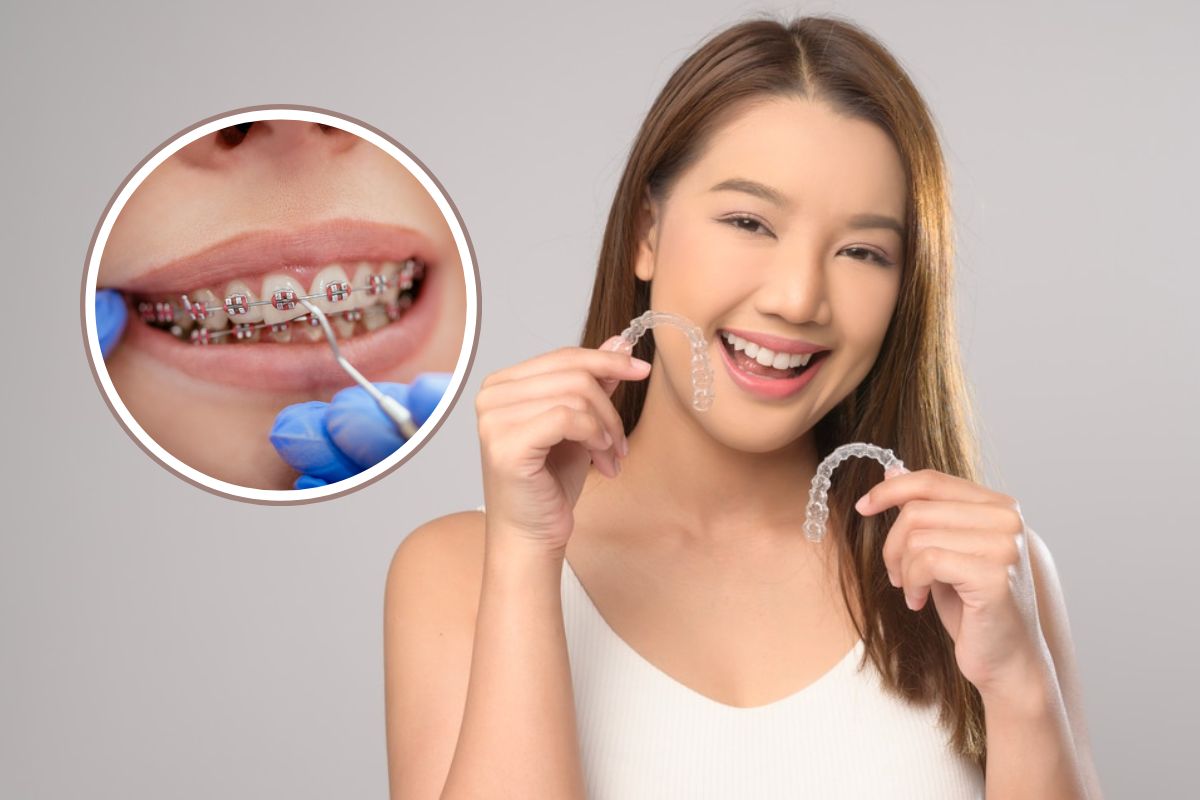
When it comes to straightening teeth, patients today are lucky to have more options than ever before. The two most common treatments—Invisalign and traditional braces—each have their unique benefits. But which one is best for you? The answer depends on your dental needs, lifestyle, and personal preferences.
In this guide, we’ll compare both treatment options to help you make an informed decision and get the smile you’ve always wanted.
1. Appearance: Stealth or Statement?
Invisalign: These clear, removable aligners are nearly invisible, making them a top choice for adults and teens who want to straighten their teeth discreetly. Whether you’re heading into a meeting, out on a date, or simply smiling for photos, Invisalign lets you do it all with confidence.
Traditional Braces: Made with metal brackets and wires, braces are more visible. However, modern designs are more compact and can even include ceramic brackets for a less noticeable look. Some patients embrace the aesthetic by customizing their braces with colorful bands.
Q: Is Invisalign less noticeable than braces?
A: Yes, Invisalign aligners are clear and virtually invisible, unlike traditional metal braces, making them a discreet option for teeth straightening.
2. Comfort and Convenience
Invisalign: Designed from smooth plastic, Invisalign trays are comfortable to wear and don’t cause the irritation that metal wires sometimes do. Plus, since they’re removable, it’s easier to maintain your oral hygiene and eat comfortably.
Braces: While effective, braces may cause discomfort due to metal components rubbing against the mouth’s soft tissue. Adjustments can also result in temporary soreness. However, braces don’t rely on patient compliance like aligners do—they’re always working, 24/7.
3. Effectiveness and Treatment Time
Invisalign: Ideal for mild to moderate alignment issues, Invisalign typically works in 12 to 18 months, depending on complexity. Treatment success relies heavily on wearing the trays at least 22 hours a day.
Braces: Best for moderate to severe alignment problems, traditional braces can correct complex bite issues more reliably. Treatment generally lasts 18 to 24 months, but can vary significantly based on the case.
4. Diet and Lifestyle Adjustments
Invisalign: You can enjoy your favorite foods without restrictions. Just remove the aligners during meals, rinse your mouth, and pop them back in afterward. That means no worries about popcorn, sticky candy, or crunchy veggies!
Braces: Patients with braces need to avoid hard, sticky, or chewy foods that can damage the wires or brackets. This means saying goodbye (for now) to gum, caramel, and even apples unless they’re cut into small pieces.
5. Maintenance and Oral Hygiene
Invisalign: Since the trays are removable, brushing and flossing are as simple as ever. Just be sure to clean the aligners daily and store them properly when not in use.
Braces: Oral hygiene with braces requires more effort. Brushing around wires and brackets can be tricky, and flossing often involves special tools. However, your dental team will guide you with tips and tools to make it manageable.
6. Cost Consideration
Invisalign: Typically, Invisalign costs slightly more than braces, depending on the provider and treatment length. However, many dental insurance plans now cover clear aligners, and flexible financing options are often available.
Braces: Generally more affordable, traditional braces remain a cost-effective option, especially for complex cases. They are also widely covered by insurance.
So, Which One Is Right for You?
Both Invisalign and traditional braces can help you achieve a beautifully aligned smile. Here’s a quick comparison to guide your decision:
| Feature | Invisalign | Traditional Braces |
| Visibility | Virtually invisible | Visible (metal or ceramic) |
| Comfort | Smooth plastic trays | Metal brackets and wires |
| Oral Hygiene | Easy—removable aligners | Requires special cleaning tools |
| Treatment Time | 12–18 months (average) | 18–24 months (complex cases) |
| Food Restrictions | None | Some |
| Ideal For | Mild to moderate cases | Moderate to severe cases |
Still Not Sure? Let Us Help You Decide!
Choosing between Invisalign and traditional braces can feel overwhelming, but you don’t have to make the decision alone. At 901 Dental, we take the time to understand your unique dental needs and lifestyle preferences.
Whether you’re leaning toward the discreet comfort of Invisalign or the dependable results of traditional braces, our team is here to guide you every step of the way.
Schedule your consultation today to discover the best orthodontic solution for your smile.
