
July 7, 2025
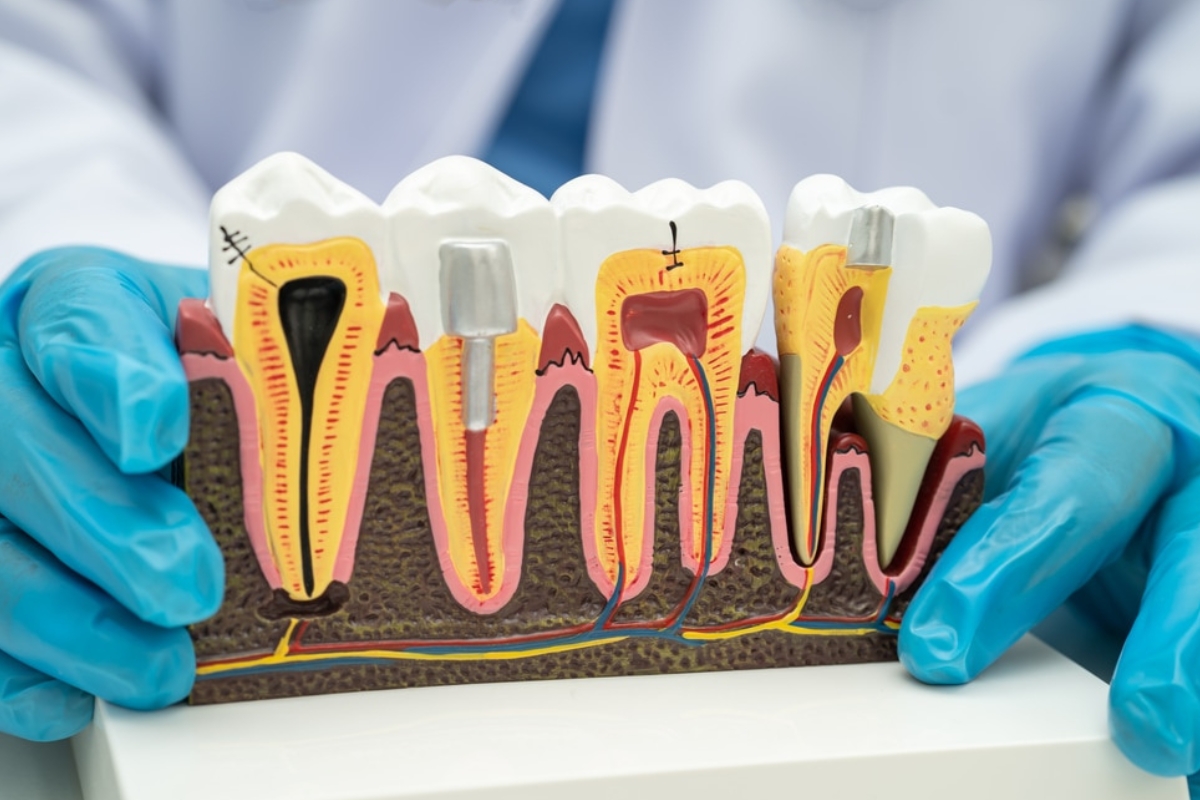
Dealing with persistent tooth pain and discomfort can be frustrating and even overwhelming. If you are unsure whether your symptoms point towards undergoing a root canal treatment, understanding the early warning signs of dental issues can help. Recognizing them at their emergence avoids prolonged discomfort, saves your tooth, and prevents invasive procedures in the future. You no longer have to surf the internet looking for answers. This blog outlines key signs you may need a root canal and how prompt care can protect your smile and health.
5 Signs Of Damaged Pulp That May Require A Root Canal
If you are experiencing dental discomfort and are unsure of the cause, stay alert for these common signs. Early care effectively relieves pain, stops infection spread, and saves oral health from further damage. Read through the list to understand what these symptoms mean and when to take action.
Persistent Tooth Pain Points To Nerve Damage
A toothache that does not go away is something to worry about. If you experience deep and throbbing pain when chewing or applying pressure, the infection has impacted the nerve inside your tooth. While pain relief pills help temporarily, they are not long-term fixes. So, it is best to have it examined by a dentist to find the root cause before it worsens.
Temperature Sensitivity That Becomes Unbearable
Feeling a slight twinge when sipping a cold drink or hot coffee is normal. However, it is not normal if the discomfort lingers for minutes or even hours. A constant sensation of sensitivity is a warning that the pulp inside is severely inflamed. Such situations necessitate endodontic therapy to prevent further issues.
Swollen Or Tender Gums Around A Single Tooth
If you notice swelling or tenderness around one tooth, near the gumline, it is an infection. Mild swelling disappears with proper oral care, but recurring gum inflammation near a single tooth should not be ignored. A visit to an emergency dental care facility in Arlington can help determine whether the disease has progressed, leading to dental root procedures.
A Tooth That Turns Gray Or Feels “Dead”
Are you noticing a sudden change in your tooth color? Is it turning gray or dark yellow? If yes, this is occurring due to a decay or a trauma. This discoloration often indicates that the inner tissue is dying. Unlike surface stains from food or drinks, internal discoloration is a deeper problem that a routine cleaning cannot fix. Consulting a dentist should be your next step towards restorative and preventive care.
Pimple-Like Bumps On The Gums
Also known as dental abscesses, these small bumps usually form near the affected tooth and can sometimes leak pus. They are often a sign of a severe infection that has no pain. Due to this, many tend to neglect them. These bumps are not regular swelling but require immediate medical attention, or the bacteria quickly travel through the bloodstream and surrounding tissues.
Get Expert Root Canal Support Right Here
Staying vigilant regarding ongoing tooth pain, sensitivity, or gum swelling can help you catch serious dental issues early. If you are experiencing any of these symptoms, a professional evaluation is the first step toward relief.
With years of experience performing root canal treatment, our lead dentist, Alexandria Ellzey, DDS, is committed to helping patients preserve their natural teeth and regain comfort. If you are anxious about pain, she takes a gentle, patient-focused approach, ensuring your treatment is comfortable and stress-free. So, schedule an appointment today at 901 Dental and let us support your long-term oral health.
