
May 28, 2026
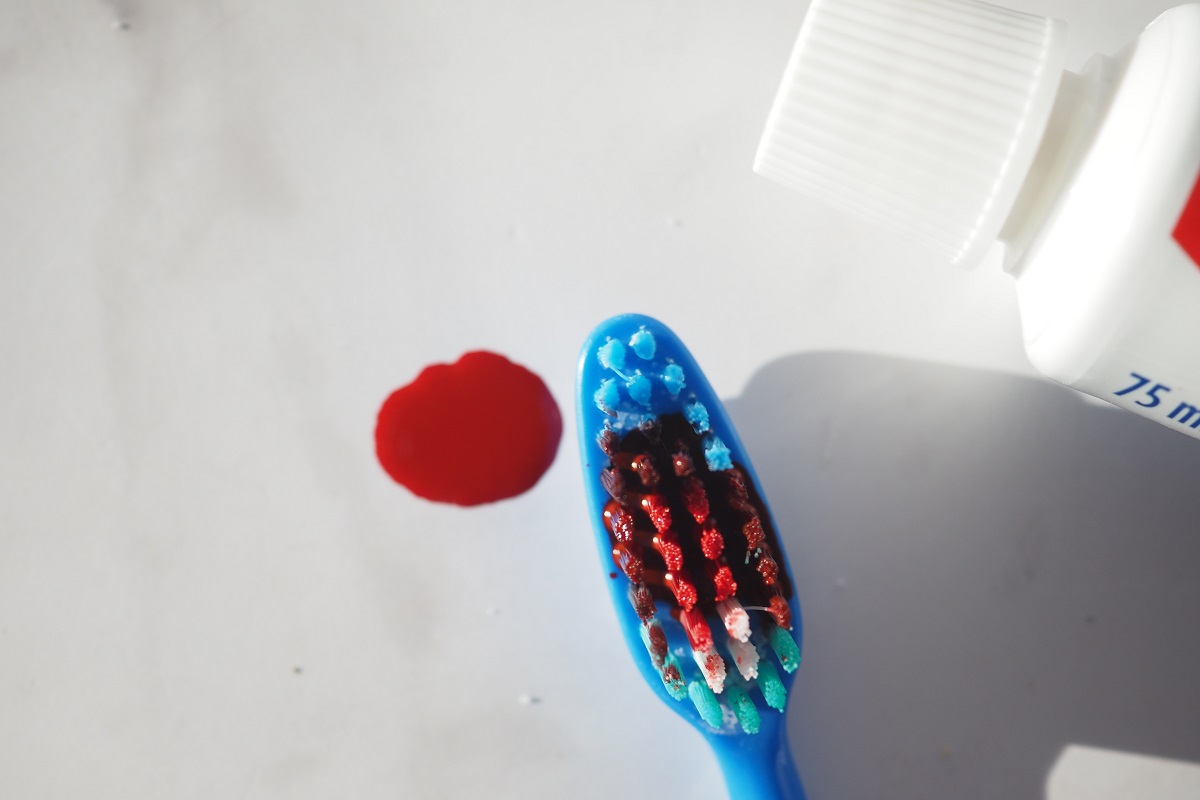
If you recently had a tooth removed and noticed a metallic or bloody taste in your mouth while driving home through Arlington, grabbing soft foods near Bartlett, or settling in for the evening in Lakeland or Cordova, you are not alone. One of the most common concerns we hear after a tooth extraction is, “Why do I still taste blood even though the procedure is over?” In many cases, it is part of normal healing. In others, it can signal irritation or a healing issue worth checking.
At 901 Dental, Dr. Alexandria Ellzey focuses on patient-centered dental care that prioritizes clear communication and practical guidance. She helps patients understand what is expected after procedures like tooth extractions so they feel informed, comfortable, and confident during recovery.
That Metallic Taste Can Be Normal, But Timing Matters
A mild blood taste shortly after a tooth extraction is usually expected. Even when visible bleeding has slowed or stopped, a small amount of blood mixing with saliva can create a noticeable metallic flavor. Patients are often surprised by how little blood it takes to make their whole mouth taste like blood.
Here is what many people do not realize: your extraction site does not “seal shut” immediately. After a tooth is removed, your body forms a blood clot inside the socket. This clot acts like a natural protective layer over the bone and nerves underneath. During the first day, slight oozing can continue, especially after talking, swallowing, changing gauze, or moving around more than expected.
We often see patients become alarmed because they assume tasting blood means active bleeding. In reality, the socket may only be releasing a trace amount, enough to alter taste but not enough to indicate a problem.
What Dentists Usually Consider Normal
For most patients, tasting a little blood during the first 24 hours can fall within normal healing. You may notice it more:
- When lying down at night
- After eating softer foods
- First thing in the morning
- After speaking for long periods
- When saliva collects near the extraction site
A common pattern we observe is that patients feel fine during the day, then suddenly notice a stronger blood taste overnight or after waking up. Often, this happens because saliva pools while sleeping, making the taste more noticeable rather than indicating worsening bleeding.
Another thing many patients misinterpret is saliva color. A small amount of blood can make saliva look dramatically pink or red. This can appear worse than it actually is.
If you recently had a procedure and are searching for an Arlington dentist for tooth extraction aftercare, this is often one of the first concerns patients want clarified.
When a Blood Taste Starts Becoming More Concerning
The question is not simply whether blood is present. It is whether the healing pattern is improving.
A blood taste deserves closer attention if it becomes stronger instead of fading, especially after the first day or two.
We typically become more concerned when patients report:
- Bleeding that seems to restart repeatedly
- A persistent metallic taste several days later without improvement
- Blood filling the mouth rather than slight traces in saliva
- Difficulty controlling bleeding despite following instructions
- Pain that suddenly worsens instead of gradually improving
One real-world pattern we frequently see involves patients who think they are healing normally, only to realize they accidentally disrupted the clot through habits they assumed were harmless.
The Small Mistakes That Can Restart Bleeding
Patients often believe the extraction itself determines healing success. In reality, the first few days afterward matter just as much.
Common mistakes that may trigger bleeding include:
Rinsing Too Aggressively
Many people try to “clean” the area too soon. Vigorous rinsing, especially within the first 24 hours, can disturb the blood clot before it stabilizes.
Using Straws
The suction created by drinking through a straw can place pressure on the healing socket. We regularly advise patients to avoid this early in recovery because it increases the chance of clot disruption.
Testing the Area
It sounds simple, but many patients repeatedly check the extraction site with their tongue. This constant pressure can irritate healing tissue more than expected.
Returning to Normal Foods Too Quickly
Crunchy, spicy, or hard foods may irritate the socket and trigger mild bleeding that leads to a lingering blood taste.
A surprisingly common situation involves patients eating chips, toast, or crispy foods earlier than recommended because “everything felt okay,” only to notice renewed bleeding later that evening.
Does Tasting Blood Mean Dry Socket?
Not necessarily.
One misconception patients often have is assuming any unusual sensation after extraction means dry socket. While dry socket is a possibility after tooth removal, it usually presents differently.
Dry socket tends to involve:
- Increasing pain several days after extraction
- Pain radiating toward the ear or jaw
- A bad taste or unpleasant odor
- A socket that appears empty or lacks a clot
Interestingly, some patients with dry socket describe an unpleasant taste, but it is often foul or unpleasant rather than simply metallic or bloody.
What matters most is the combination of symptoms. A mild blood taste alone without increasing pain is not automatically a reason to panic.
The Timeline Most Patients Do Not Expect
Patients often imagine that extraction healing happens overnight. In reality, recovery is more gradual.
Here is what we commonly explain in the office:
First 24 hours: Mild oozing and blood taste can be expected.
Days 2 to 3: Symptoms should generally start improving, not worsening.
After several days: Persistent bleeding or stronger symptoms deserve attention.
One important edge case involves patients taking blood thinners or certain medications. Even when healing is otherwise normal, these patients may experience prolonged minor oozing that changes the timeline slightly. This does not always mean something is wrong, but it does make communication with your dentist more important.
Patients looking for a local dentist for post-extraction concerns are often relieved to learn that what they are experiencing is manageable and common, but timing and progression still matter.
How We Help Patients Decide Whether It Needs Attention
At 901 Dental, we rarely tell patients to judge healing based on a single symptom alone. Instead, we help them evaluate the bigger picture.
Questions we commonly ask include:
- Is the taste improving or getting worse?
- Is pain staying stable or increasing?
- Are you seeing active bleeding or only tasting traces?
- Did anything happen that may have irritated the area?
- Are there new symptoms like swelling, fever, or odor?
Sometimes, reassurance is all that is needed. Other times, a quick evaluation helps confirm the clot is stable and healing is progressing as expected.
Have Questions About Healing After an Extraction?
If you are still tasting blood after a tooth extraction and are unsure whether healing is progressing normally, the team at 901 Dental is here to help. Dr. Alexandria Ellzey and our team can evaluate the extraction site, answer questions, and help determine whether what you are experiencing is expected healing or something that needs attention. Contact 901 Dental to schedule an appointment or speak with our team.
After a tooth extraction, a mild blood taste can sometimes be part of normal healing, especially early on. What matters most is whether symptoms are gradually improving and whether other warning signs are present. We encourage patients not to guess when something feels unusual. In many situations, a quick conversation or evaluation can provide clarity and help us make sure recovery stays on the right track.
Frequently Asked Questions
How long is it normal to taste blood after a tooth extraction?
A mild blood taste during the first day is often normal. Slight traces may continue briefly, but symptoms should gradually improve rather than worsen.
Does tasting blood mean my extraction site is still bleeding?
Not always. Even a tiny amount of blood mixing with saliva can create a strong metallic taste without significant active bleeding.
Should I worry if I taste blood after 48 hours?
It depends on whether symptoms are improving. A mild fading taste may not be concerning, but worsening bleeding, pain, or swelling deserves attention.
Can brushing my teeth restart bleeding?
Brushing too aggressively near the extraction area can irritate healing tissue. Gentle oral hygiene is usually recommended.
Why do I taste blood more at night?
Saliva tends to collect when lying down, making even minor oozing feel more noticeable overnight or in the morning.
Can food cause the extraction site to bleed again?
Yes. Hard, crunchy, spicy, or sharp foods may irritate the socket and restart minor bleeding.
Does dry socket always cause a bad taste?
Many patients notice an unpleasant taste with dry socket, but increasing pain is usually a stronger warning sign.
When should I call the dentist?
Call if bleeding seems excessive, pain suddenly worsens, symptoms are not improving, or something simply feels off about healing.
