
July 6, 2026
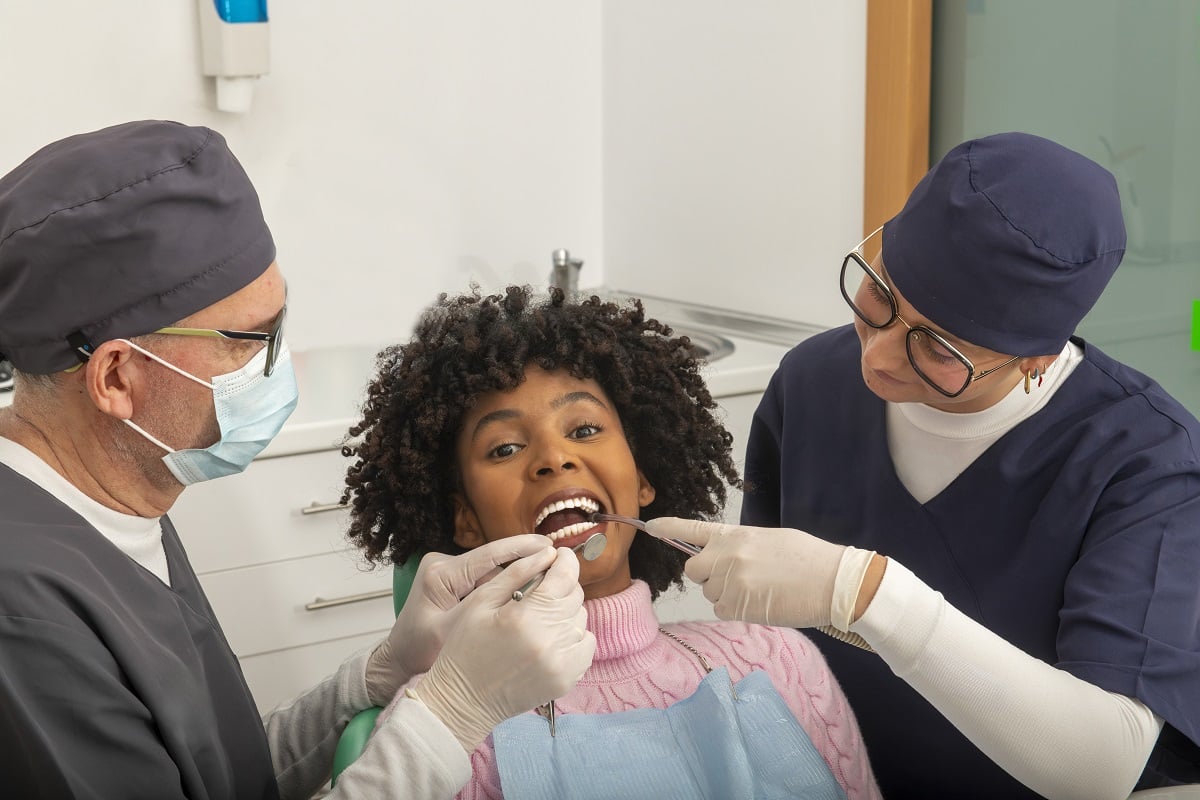
Living in Arlington means you have access to dental care close to home, but convenience isn’t the only reason location matters when you need a root canal. Whether you’re commuting from Lakeland, Bartlett, or nearby communities in Shelby County, choosing a dentist you can easily return to can make a meaningful difference if questions or unexpected issues arise during recovery. A root canal is designed to save a damaged tooth, but the procedure is only one part of the process. What happens after treatment often plays an equally important role in long-term success.
About Dr. Alexandria Ellzey
Dr. Alexandria Ellzey and the team at 901 Dental believe every patient deserves clear communication and personalized care. By taking time to explain treatment, monitor healing, and answer questions throughout recovery, they help patients feel confident about protecting their oral health. If you’re experiencing tooth pain or have been told you may need a root canal, schedule an appointment to receive personalized care and guidance every step of the way.
A Root Canal Doesn’t End When You Leave the Office
Many patients assume a root canal is complete the moment the procedure is finished. In reality, your tooth continues healing after bacteria have been removed and the canals have been sealed.
The tissues surrounding the tooth need time to recover from the previous infection and the treatment itself. Mild soreness for a few days is common, but your dentist also wants to ensure the tooth remains stable, comfortable, and properly restored.
That’s one reason many people searching for root canal treatment in Arlington benefit from choosing a nearby practice that can provide consistent care before, during, and after the procedure.
Small Problems Are Easier to Solve When Your Dentist Is Nearby
Dental offices frequently hear from patients who weren’t concerned about a minor issue until it became a larger one.
Some common examples include:
- A temporary crown comes loose over a weekend.
- The bite feels slightly uneven after treatment.
- Lingering sensitivity lasts longer than expected.
- A filling chips before the permanent restoration is placed.
None of these situations automatically indicate the root canal has failed. However, they deserve professional evaluation.
When your dentist is nearby, scheduling a quick assessment is often much easier than delaying care because of distance or travel time. Addressing these concerns early may prevent additional damage to the treated tooth.
Healing Doesn’t Look the Same for Every Patient
One of the biggest misconceptions is that every person recovers on the same timeline.
Several factors can influence healing, including:
- How extensive the original infection was.
- Whether swelling existed before treatment.
- The location of the tooth.
- Overall oral health.
- Habits such as nighttime teeth grinding.
Some patients feel almost normal within a day or two. Others experience mild tenderness for a week or longer. Neither situation is unusual by itself.
A local dentist who performed the procedure already understands your diagnosis and can compare your progress against what was expected for your specific case rather than relying on general assumptions.
Follow-Up Visits Are About More Than Checking for Pain
Many people believe they only need to return if something hurts.
In reality, follow-up appointments allow your dentist to evaluate several important details that patients cannot easily see at home.
During these visits, your dentist may:
- Check that the tooth is healing appropriately.
- Confirm your bite feels balanced.
- Evaluate surrounding gum tissues.
- Ensure the temporary or permanent restoration fits properly.
- Look for subtle signs that additional care may be needed.
These routine evaluations often identify small concerns before they develop into larger, more expensive problems.
Patients Often Ignore the Wrong Warning Signs
Dentists commonly notice that patients worry about normal healing while overlooking symptoms that deserve prompt attention.
You should contact your dental office if you notice:
- Swelling that develops after initially improving.
- A temporary crown or filling falls out.
- Persistent pain that continues worsening instead of gradually improving.
- Difficulty biting that doesn’t improve after several days.
- A pimple-like bump on the gums near the treated tooth.
- Fever or facial swelling associated with the treated area.
On the other hand, mild tenderness while chewing for a short period is often part of normal recovery and doesn’t necessarily indicate treatment failure.
Knowing the difference helps patients avoid unnecessary anxiety while ensuring genuine concerns receive timely attention.
Continuity of Care Creates Better Long-Term Outcomes
Every dental record tells part of the story, but your treating dentist remembers details that aren’t always obvious from X-rays alone.
They know:
- How complex the canals were.
- Whether inflammation was extensive.
- Which materials were used.
- Any challenges encountered during treatment.
- Why specific recommendations were made.
This continuity allows future decisions to be made with greater confidence.
Patients seeking root canal treatment near Arlington often appreciate having one trusted dental team that understands their complete history instead of starting from scratch each time they have a question.
One Mistake Patients Commonly Make After a Root Canal
One of the most common mistakes is postponing the permanent crown because the tooth “feels fine.”
After a root canal, the tooth no longer has living nerve tissue inside. While this relieves pain caused by infection, it also means the tooth may not provide the same warning signs if damage occurs later.
Back teeth, in particular, experience significant chewing forces every day. Without the recommended restoration, they may become more susceptible to fractures that could eventually make the tooth difficult – or impossible – to save.
Patients sometimes delay treatment because work schedules get busy or discomfort has disappeared. Unfortunately, waiting months for the final restoration can increase the likelihood of complications that were otherwise preventable.
Local Care Makes Unexpected Situations Less Stressful
Life doesn’t always follow a schedule.
Temporary restorations loosen.
Family vacations happen.
Sports injuries occur.
A tooth that felt comfortable yesterday may suddenly feel different tomorrow.
Having a dental office close to home means you’re more likely to seek help promptly instead of hoping the problem resolves on its own. That convenience often translates into earlier intervention, fewer emergencies, and greater peace of mind throughout recovery.
Keep Your Recovery on Track with 901 Dental
If you’re preparing for a root canal or have questions during recovery, Dr. Alexandria Ellzey and the team at 901 Dental are here to help. From your initial diagnosis through follow-up care and final restoration, we focus on making every step as comfortable and predictable as possible. Contact 901 Dental today to schedule an appointment and protect your smile with personalized, compassionate care.
Saving a tooth is only part of the journey. Ongoing communication, timely follow-up, and easy access to your dental team can make recovery smoother and help address concerns before they become bigger problems. Our goal is to provide attentive care from your first visit through long-term maintenance, so you can feel confident knowing your smile is in experienced hands.
Frequently Asked Questions
How long should my tooth feel sore after a root canal?
Most patients notice gradual improvement within several days. Mild tenderness can last a week or slightly longer depending on the severity of the original infection. Pain that worsens instead of improves should be evaluated.
Is it normal to chew carefully after treatment?
Yes. Many patients naturally favor the opposite side until tenderness improves, especially before the permanent crown is placed.
Can a root canal fail even if it felt successful at first?
Although root canals have a high success rate, complications can occasionally develop months or even years later. Regular dental checkups help identify concerns early.
What happens if my temporary filling or crown comes off?
Contact your dentist as soon as possible. The tooth should be protected until the permanent restoration is completed.
Why do I need a permanent crown if the pain is gone?
The crown strengthens and protects the treated tooth from fractures while restoring normal chewing function.
Should I be worried if my bite feels uneven afterward?
Not necessarily. Sometimes a simple bite adjustment is all that’s needed. It’s best to schedule an evaluation rather than trying to adapt to the discomfort.
Can I see another dentist for follow-up care?
Yes, but seeing the dentist who performed the procedure often provides better continuity because they’re already familiar with your diagnosis and treatment.
When should I call my dentist immediately?
Call promptly if you develop increasing swelling, severe pain, fever, drainage from the gums, or if your temporary restoration comes loose or falls out.
