
January 20, 2026
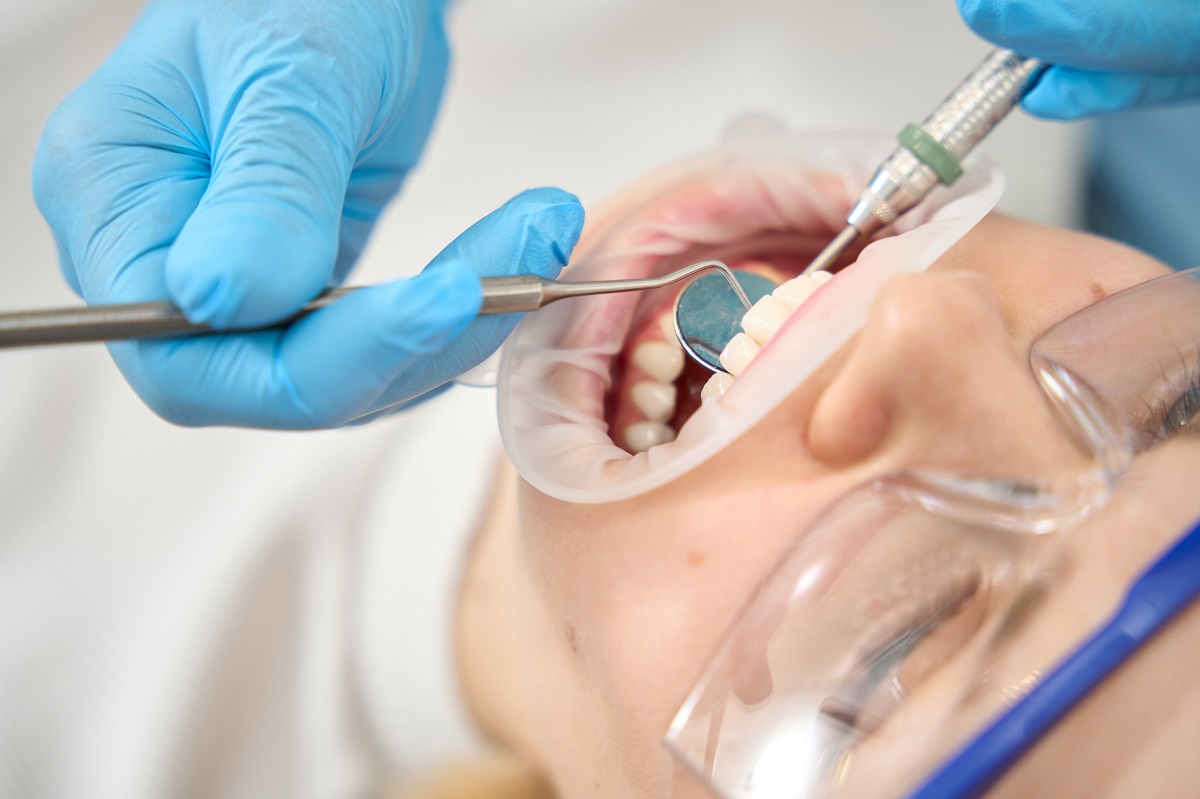
Recovering from tooth extraction is crucial, and maintaining proper oral hygiene afterward is key to a smooth recovery. However, many people make mistakes during this period that can lead to complications and slower healing. For families in Arlington, known for its active lifestyle with local events like the Midsouth Renaissance Fair and gathering spots in Sling Shot Charlie’s, taking care of your mouth while you enjoy the changing seasons is especially important.
In this blog, we’ll discuss some common oral hygiene mistakes after dental surgery and provide tips for avoiding them. By following proper care guidelines, you can ensure your recovery goes as smoothly as possible and avoid unnecessary complications.
Mistake #1: Brushing Too Soon Or Too Hard
It’s natural to want to clean your teeth after a tooth extraction to keep your mouth feeling fresh. However, brushing too soon or too aggressively near the extraction site can irritate the wound and delay healing. Immediately after the procedure, it’s important to avoid brushing the extraction site for 24 to 48 hours. Gently brushing the rest of your teeth is okay, but be careful not to disturb the healing area.
- Tip: After 48 hours, gently brush your teeth with a soft-bristled toothbrush, avoiding the extraction site until it has healed. A local dentist can give you specific advice about when it’s safe to resume normal brushing.
If you notice an unpleasant odor during recovery, it may be tied to bacteria buildup around the healing site—find out why bad breath can occur after wisdom tooth extraction and how to manage it safely.
Mistake #2: Using Mouthwash Too Early
Many people reach for mouthwash after a tooth extraction, thinking it will help disinfect the area. However, using mouthwash too early can irritate the gums, increase bleeding, and potentially introduce harmful chemicals to the healing site. Instead of mouthwash, rinse your mouth gently with salt water in the first few days to clean the area without disrupting the healing process.
- Tip: Wait at least 3–4 days before using any store-bought mouthwash. Always consult a local dentist near you about when it’s appropriate to introduce mouthwash into your routine.
Mistake #3: Eating Hard, Hot, Or Sticky Foods
After removing your tooth, your diet should consist of soft foods that won’t disturb the healing site. Many people make the mistake of eating hard, sticky, or very hot foods too soon after surgery, which can cause discomfort or even damage the extraction site. Hot foods can also increase blood flow and irritate the area.
- Tip: Stick to soft, cool foods like yogurt, mashed potatoes, and smoothies. Avoid crunchy snacks, spicy foods, and hot beverages for at least the first week to avoid delaying the healing process.
Mistake #4: Smoking Or Using Straws
Smoking and using straws are two common mistakes that can impede healing after surgery. The suction created by a straw can dislodge the blood clot forming in the socket, leading to a painful condition called dry socket. Smoking, on the other hand, reduces blood flow and increases the risk of infection, prolonging recovery time.
- Tip: Avoid smoking for at least 48 hours after your procedure and refrain from using straws for a few days. If you enjoy the city’s outdoors, consider enjoying a nature walk in Theodore Roosevelt Island as a distraction while you recover.
Mistake #5: Not Following Post-Op Instructions
Failing to follow your dental professional’s post-op instructions can lead to complications and slow down the healing process. These instructions typically include information about medications, diet, and oral care. Not adhering to these guidelines, such as missing prescribed pain medication or ignoring ice pack recommendations, can affect the success of your recovery.
- Tip: Follow the instructions closely for optimal recovery. If you have any questions or concerns, don’t hesitate to reach out to your dental team for guidance.
How To Handle Swelling And Discomfort After Dental Surgery?
Swelling and discomfort are common post-surgery, but managing them is key to a smooth recovery. Here are some quick tips to ease discomfort:
1. Apply Ice Packs
- Apply ice for 15–20 minutes to reduce swelling and numb pain.
- Alternate with breaks to prevent skin irritation.
2. Use Pain Relievers
- Take over-the-counter medication like ibuprofen or acetaminophen for pain relief.
- Follow dosage instructions carefully to avoid side effects.
3. Elevate Your Head
- Keep your head elevated with pillows while resting to reduce swelling.
- Aim for a 45-degree angle for better drainage.
4. Eat Soft Foods
- Stick to soft foods like mashed potatoes, yogurt, and smoothies for easy chewing.
- Avoid hard, spicy, or hot foods that can irritate the area.
5. Avoid Smoking and Alcohol
- Refrain from smoking and drinking alcohol for at least 48 hours to prevent delays in healing.
- Consult your dentist if you need further guidance.
The Role Of Regular Follow-Up Appointments
After any dental surgery, follow-up appointments are essential to ensure your recovery is progressing well. A dental professional will monitor the healing process and address any concerns that might arise during recovery.
What To Expect During Your Follow-Up:
- Healing Site Inspection: The dentist will check the extraction site for signs of infection or complications like dry socket.
- X-rays: To ensure proper healing, your dentist may take X-rays of the surgical area to confirm that everything is in place.
- Pain and Sensitivity Check: Your dentist will inquire about any pain or sensitivity you’re experiencing and suggest solutions if necessary.
Why Proper Aftercare Matters Post-Surgery?
Proper aftercare is essential for successful healing after a tooth-removal operation. Mistakes in your oral hygiene routine can result in infection, slower healing, or even the need for further procedures. Just as you wouldn’t miss out on the JBD Spring Shopping Spectacular or outdoor activities in the city because of unnecessary complications, it’s important to follow the advice consistently to ensure your mouth heals quickly and effectively.
Consult Our Dentist For Personalized Guidance
Recovering from dental surgery doesn’t have to be overwhelming. If you experience any issues or have concerns about your healing process, remember that we’re here for you. At 901 Dental, our team is dedicated to providing you with the care and guidance you need to ensure a smooth recovery. Your oral health is our priority, and we’re committed to supporting you throughout every stage of healing.
If you’re unsure about your progress or have any questions, don’t hesitate to schedule a consultation with us. We’ll help you stay on track to a full recovery and a healthy smile. Let’s make sure your smile stays bright and healthy, without the pain or complications.
FAQs About Dental Surgery After Care
1. When can I brush after dental surgery?
It’s generally safe to start brushing gently 24 to 48 hours after dental surgery. However, avoid brushing directly on the extraction site until your dentist gives you the go-ahead to ensure proper healing.
2. Can I floss after a tooth extraction?
It’s best to avoid flossing near the surgical site for the first few days. Flossing too early can disrupt the healing process, so consult your dentist before resuming your flossing routine.
3. How to rinse the mouth after dental surgery?
After dental surgery, rinse your mouth gently with saltwater after 24 hours to reduce bacteria and promote healing. Avoid swishing vigorously, as this can dislodge the blood clot and delay healing.
4. Should I use mouthwash after tooth removal?
Avoid using mouthwash that contains alcohol immediately after an extraction, as it can irritate the surgical site. Consult with our dentist about a gentle mouthwash or a saltwater solution that’s safe during recovery.
5. How to prevent infection after dental surgery?
To prevent infection after dental surgery, maintain proper oral hygiene, avoid smoking, and follow your dentist’s instructions on post-surgery care. Taking prescribed medications and avoiding eating hard or sticky foods will also help.
