
June 4, 2026
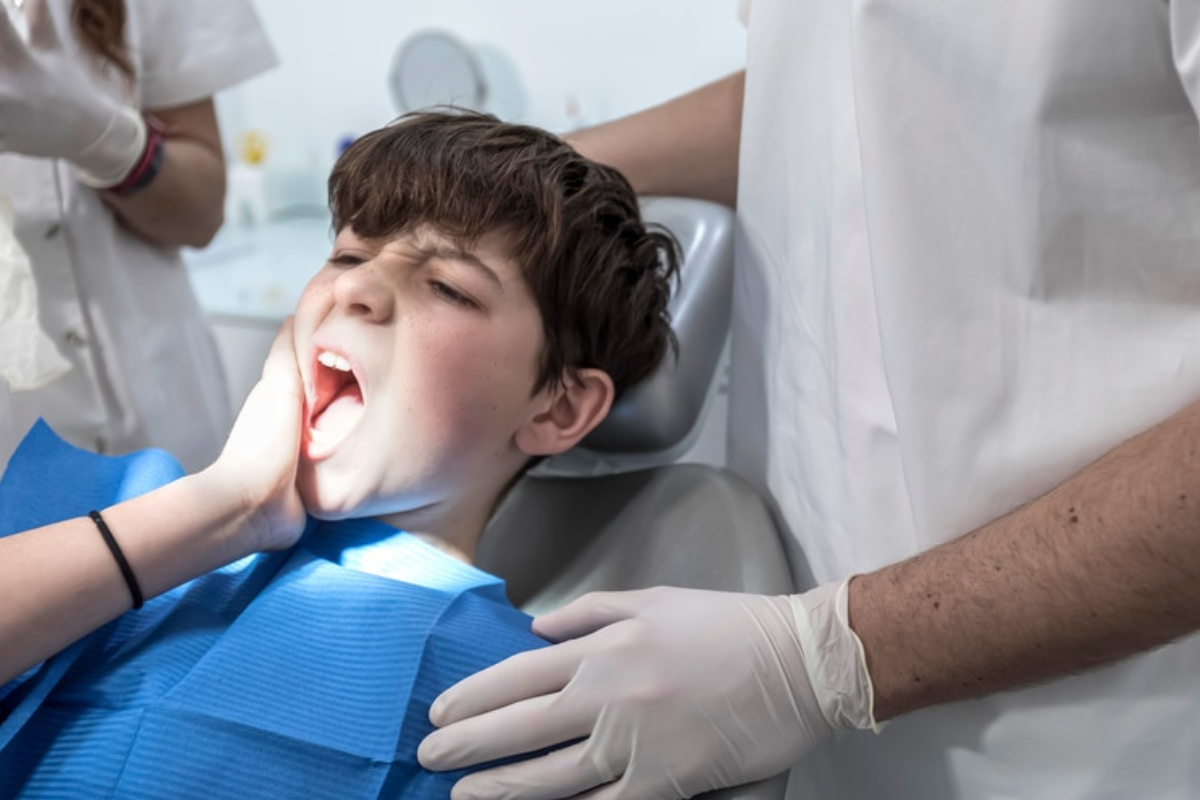
As a parent, it can be frustrating to see your child keep getting cavities despite brushing their teeth regularly. You may wonder: why doesn’t brushing prevent cavities in kids? It’s common for children in Arlington, TN, and nearby areas to experience persistent cavities, but understanding the causes can help you take the right steps to prevent them.
In this blog, we’ll explore common causes of cavities in children, even with regular brushing, and share helpful tips to ensure your child’s smile stays healthy.
Help is here for growing smiles. Book today!

At 901 Dental, we provide compassionate, high-quality dental care for children in a comfortable, kid-friendly setting. Led by Dr. Alexandria Ellzey, our team offers a wide range of pediatric dental services using modern technology and a patient-focused approach. We strive to make every visit positive and stress-free. Schedule your child’s appointment today and help set the foundation for a healthy smile.
Common Reasons for Cavities, Even with Brushing
1. Brushing Mistakes Kids (and Parents) Make
Even with regular brushing, certain common brushing mistakes parents make can lead to cavities. Children often don’t brush effectively on their own, and parents need to supervise brushing until kids develop the proper technique. Here’s why brushing might not be enough:
- Not Brushing Long Enough: The recommended brushing time is at least two minutes. Kids often rush through brushing, leaving plaque behind.
- Not Reaching All Surfaces: Kids often miss the back molars and chewing surfaces, which are prime spots for cavities.
- Using Too Much Pressure: Some children brush too hard, which can wear down enamel and make teeth more vulnerable to decay.
Helping your child develop a good brushing routine is key to preventing cavities. As pediatric dentists, we provide tips to help ensure your child brushes thoroughly and effectively.
2. Why Brushing Doesn’t Prevent Cavities in Kids
Even though brushing helps remove plaque, it doesn’t entirely prevent cavities in kids for several reasons. Brushing only addresses the surface of the teeth, but cavities often develop in areas that are harder to reach or protected by sticky foods. Some of the reasons why cavities still form include:
- Dietary Habits: A diet high in sugar can contribute to tooth decay, even with regular brushing. Kids often snack throughout the day, exposing their teeth to sugar and acid that promotes decay.
- Dry Mouth: Saliva helps neutralize acids in the mouth, but if a child experiences dry mouth, they are at a higher risk for cavities.
- Inconsistent Brushing: Skipping brushing sessions or not brushing immediately after meals can leave food particles and plaque behind, leading to tooth decay.
We recommend regular dental check-ups to ensure your child’s oral health is on track and to discuss any concerns about hidden sugars in kids foods.
3. The Role of Sugary Snacks and Beverages
One of the biggest contributors to tooth decay in children is the hidden sugars in kids’ foods. Many snacks and drinks kids enjoy, such as juice and cereal, contain added sugars that can stick to teeth and promote the growth of cavity-causing bacteria. Parents should be aware of:
- Sugary Drinks: Even “healthy” drinks like fruit juices often contain added sugars. Drinking them throughout the day can contribute to tooth decay.
- Sticky Snacks: Foods like fruit snacks, granola bars, or dried fruit can stick to teeth, making it difficult for saliva to wash them away and increasing the risk of tooth damage.
To prevent it, limit sugary snacks and drinks, and encourage your child to rinse their mouth with water after eating.
4. The Importance of Regular Dental Visits
Regular visits to a children’s dentist are essential for keeping cavities at bay. Our dental practice in Arlington recommends bringing your child for a dental check-up every six months. These visits allow us to:
- Identify any signs of cavities early
- Clean areas that might be difficult to reach with brushing
- Apply fluoride treatments or dental sealants for extra protection
Preventive care is a crucial part of cavity prevention, and early intervention can make a significant difference in your child’s dental health.
5. The Role of Dental Sealants
A great way to prevent cavities in children is by applying dental sealants. These thin protective coatings are applied to the chewing surfaces of the back teeth, where decay is most likely to form. Sealants protect against food particles and bacteria that brushing alone might miss. They provide an extra layer of protection and are especially effective at preventing cavities in children prone to decay.
6. Tooth Sensitivity and Cavities
Sometimes, cavities form in areas that your child may not feel pain in right away. This is why it’s essential to have a pediatric dentist assess your child’s teeth regularly, even if they don’t complain about tooth sensitivity or pain. Detecting cavities early can save your child from more extensive dental work later on.
How to Prevent Cavities in Children
To help prevent cavities in your child’s teeth, here are a few steps you can take:
- Supervise Brushing: Make sure your child brushes for two minutes, twice a day. Brush together to set a good example.
- Limit Sugary Foods: Reduce your child’s intake of sugary snacks and drinks, especially between meals.
- Encourage Water Intake: Encourage your child to drink water after meals to wash away any lingering food particles or sugars.
- Visit a Dental Care Professional Regularly: Bring your child to the children’s dentist for regular check-ups and cleanings.
Book a Consultation with Us Today
If you’re concerned about your child’s oral health and want to ensure they don’t keep getting cavities despite brushing, it’s time to consult our pediatric dentist in Arlington. Dr. Alexandria Ellzey and our team at 901 Dental are here to help with comprehensive dental care, from routine cleanings to cavity prevention tips. Don’t wait for cavities to form. Book a consultation today and take the first step toward your child’s healthier smile.
FAQs
1. Why Does My Child Keep Getting Cavities Even Though We Brush?
Brushing alone may not prevent cavities, especially if your child’s diet includes sugary snacks, or they miss certain areas of their teeth while brushing. Regular visits to the dentist are essential for early detection and treatment.
2. How Can I Prevent Cavities In My Child’s Teeth?
Ensure your child brushes for at least two minutes twice a day, limits sugary foods and drinks, and attends regular dental visits for checkups and cleanings.
3. When Should My Child Start Visiting The Dentist?
It’s recommended that children see a dental care professional by their first birthday or within six months of their first tooth erupting, whichever comes first.
4. Are Dental Sealants Necessary For Kids?
Dental sealants are a great preventive measure to protect the chewing surfaces of your child’s teeth from cavities. They are especially effective for kids prone to tooth decay.
5. What Should I Do If My Child Has A Cavity?
If your child has a cavity, schedule an appointment with a pediatric dentist as soon as possible. Early intervention can prevent the cavity from worsening and reduce the need for more invasive treatments.
